Life

Notes from university, hackathons, travel, and building things.

2026

Back for Year Two

Computer Engineering · University of Guelph

Starting my second year feels quite different from starting my first.

Read entryClose entry

I’ve become much more interested in the intersection of software, hardware, and the systems that connect them. Working on projects, collaborating with other engineers, and exploring entrepreneurship has also changed how I approach what I’m learning in class.

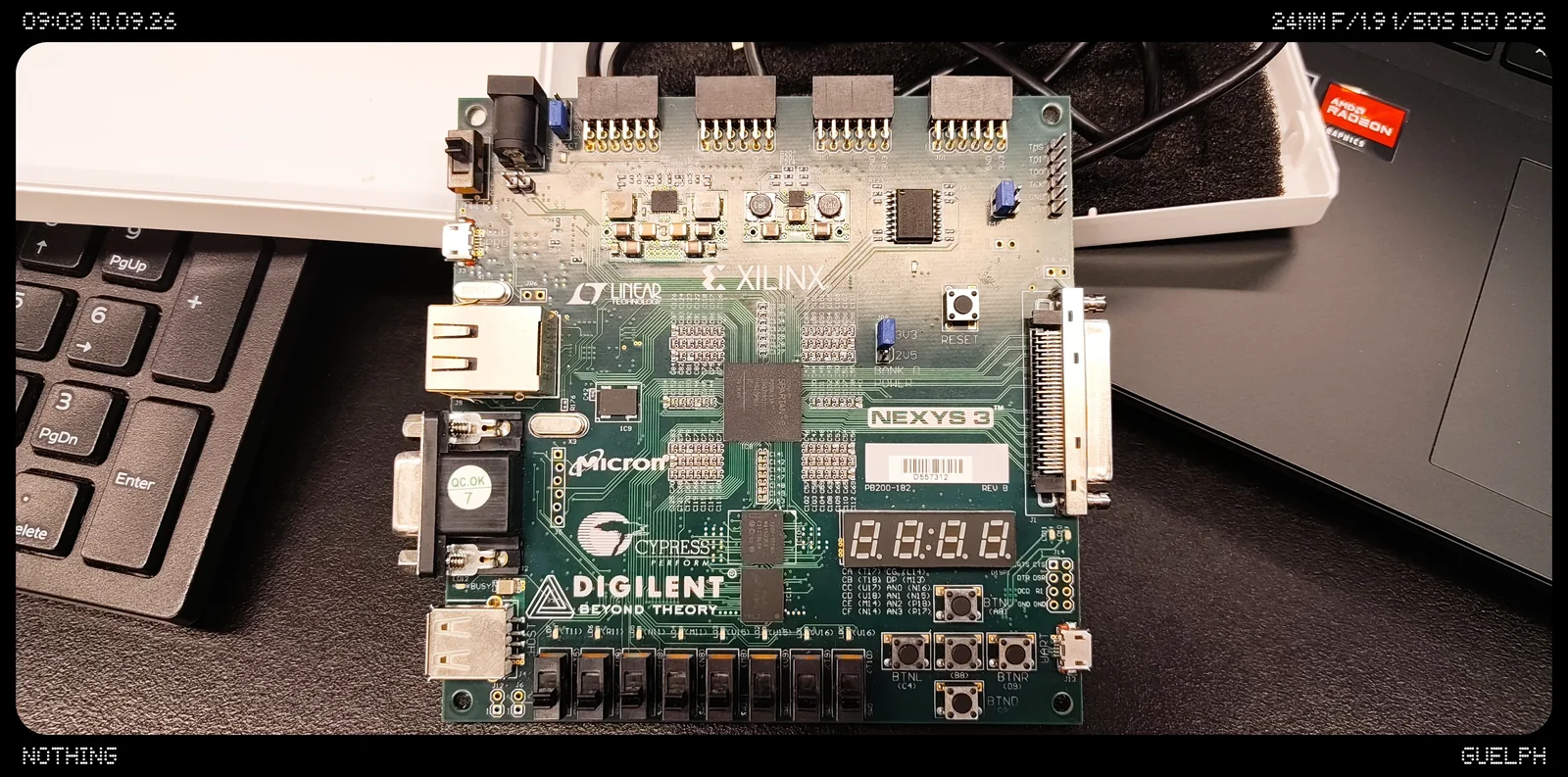
Working with an FPGA board in class has been a highlight. It feels like a shift from mostly theoretical work toward practical skills I could use in the workplace, and I’m happy to be getting that experience.

This year, I’m hoping to go deeper into software engineering, embedded systems, and research, while continuing to build things independently. There’s still a lot I don’t know, but that’s part of what makes it interesting.
Back at Hack the North, This Time as a Volunteer

Hack the North 2026

A year after attending Hack the North, I returned to the University of Waterloo, this time as a volunteer.

Read entryClose entry

Having experienced the event as a participant, I was interested in seeing things from the other side. Volunteering gave me a better appreciation for the coordination behind an event involving so many students.

It was nice to contribute to the local tech community in a different way. After attending hackathons and competitions throughout first year, helping out felt like a natural next step.

I still enjoy the technical side of hackathons, but I’ve also started to appreciate the communities behind them: the people who make it possible to meet, learn, and work on something new.

A Summer of Building Something of My Own

Entrepreneurship, software & engineering

I spent much of this summer exploring what it means to build a business around engineering.

Read entryClose entry

I began taking on client work and learning how to find opportunities, communicate technical ideas, manage expectations, and deliver something useful.

On the technical side, I’ve been working across embedded systems, C++, connected devices, cloud infrastructure, and software development. I can’t share much about the projects yet, but they’ve given me a better appreciation for building reliable systems outside a classroom.

There has been a lot of learning as I go, especially on the business side. It’s been rewarding to work on something of my own and see where it leads.

Recognized at Ingenious+

Ontario regional award · H₂@Home

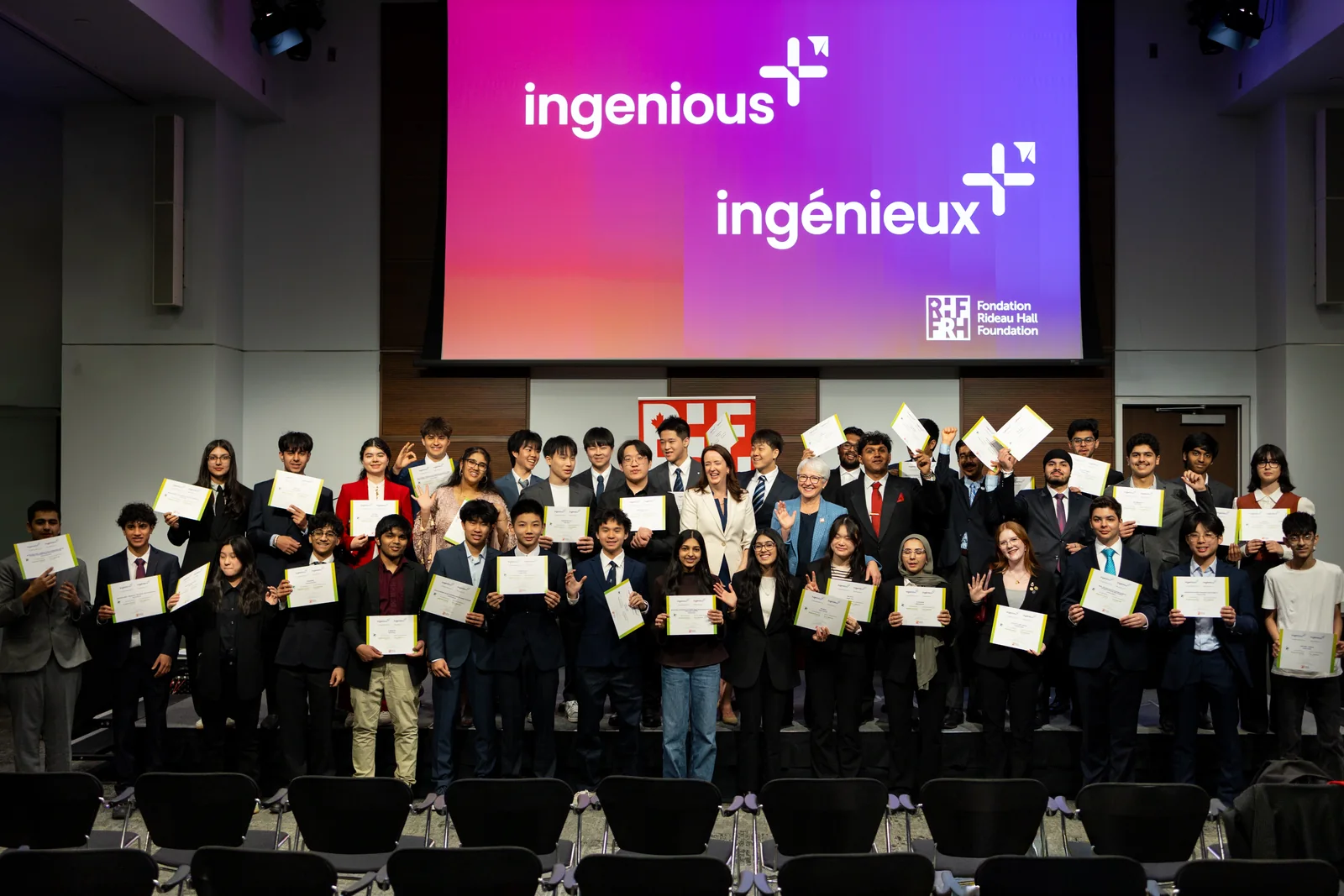
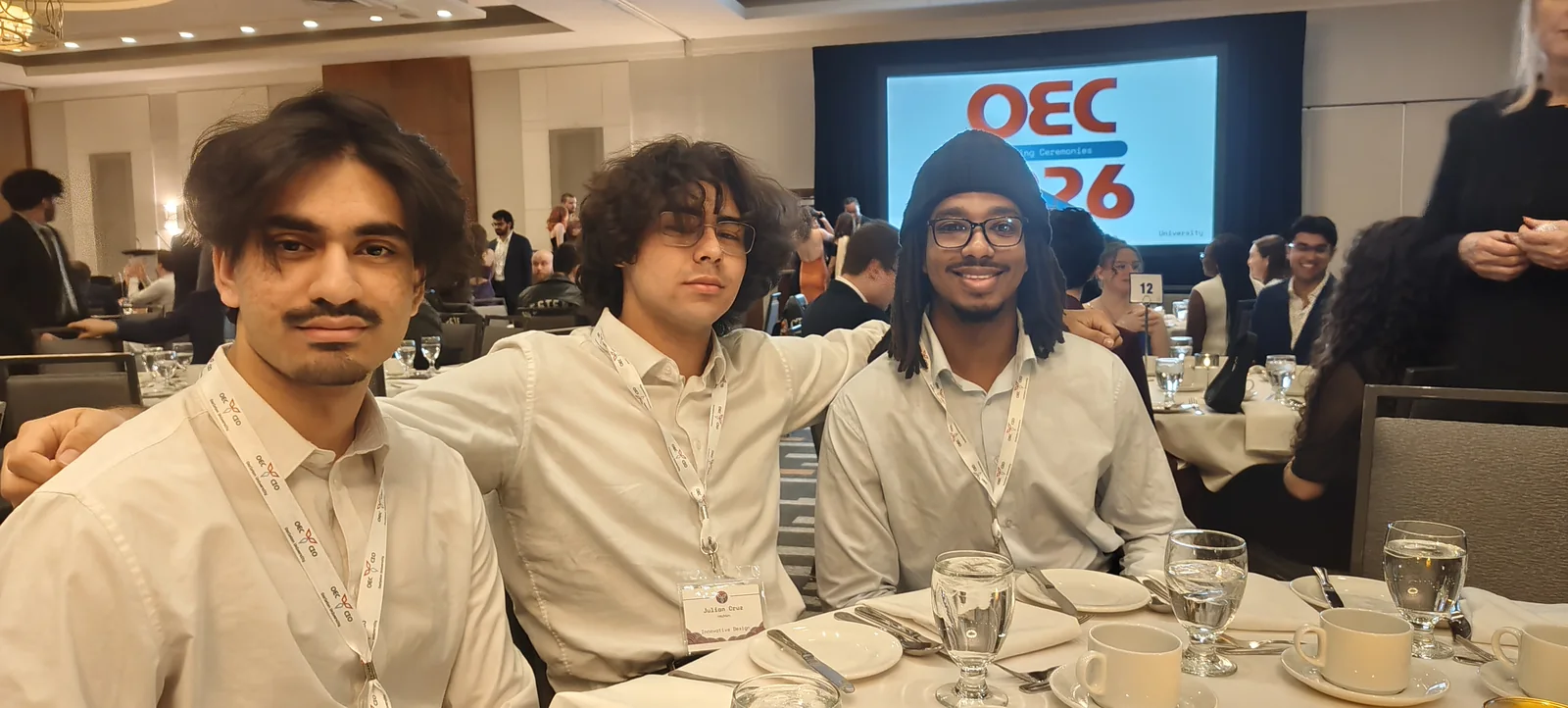
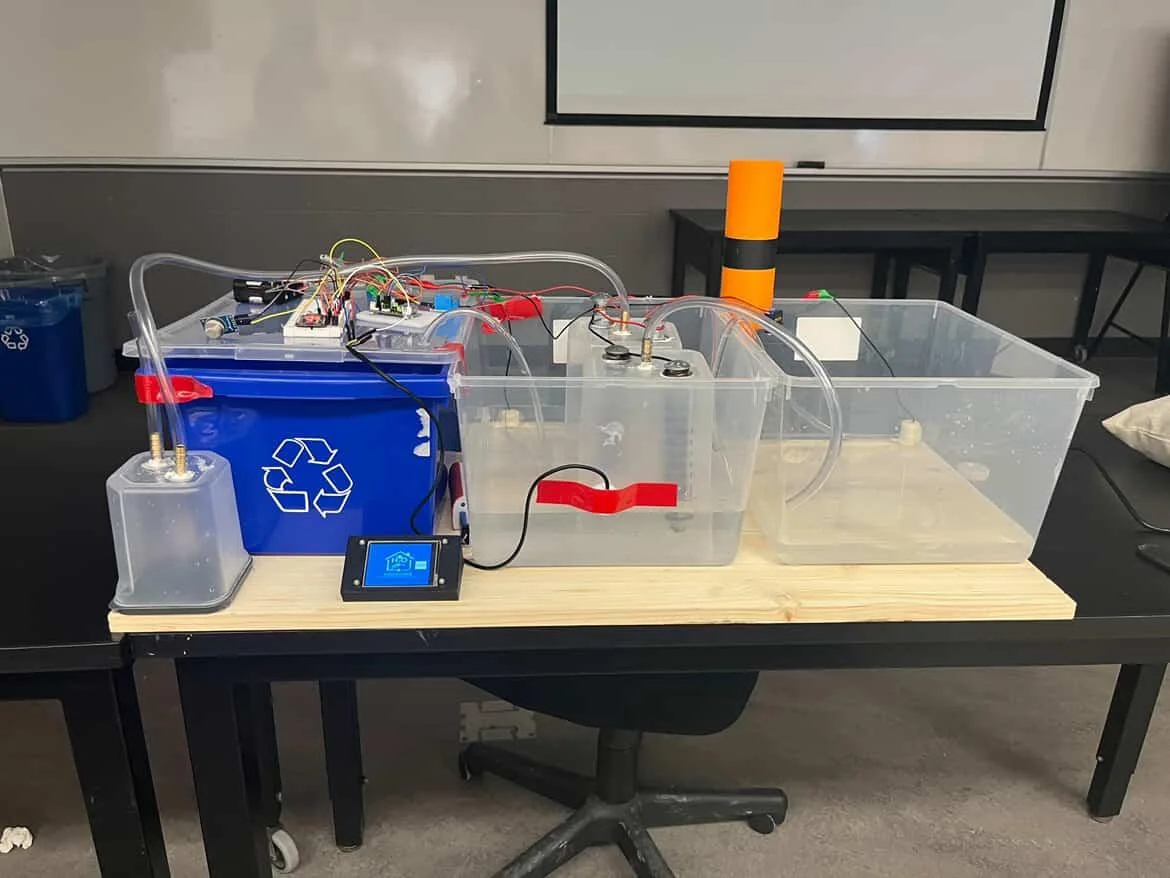
Our work on H₂@Home was recognized through Ingenious+, a Canadian youth innovation challenge.

Read entryClose entry

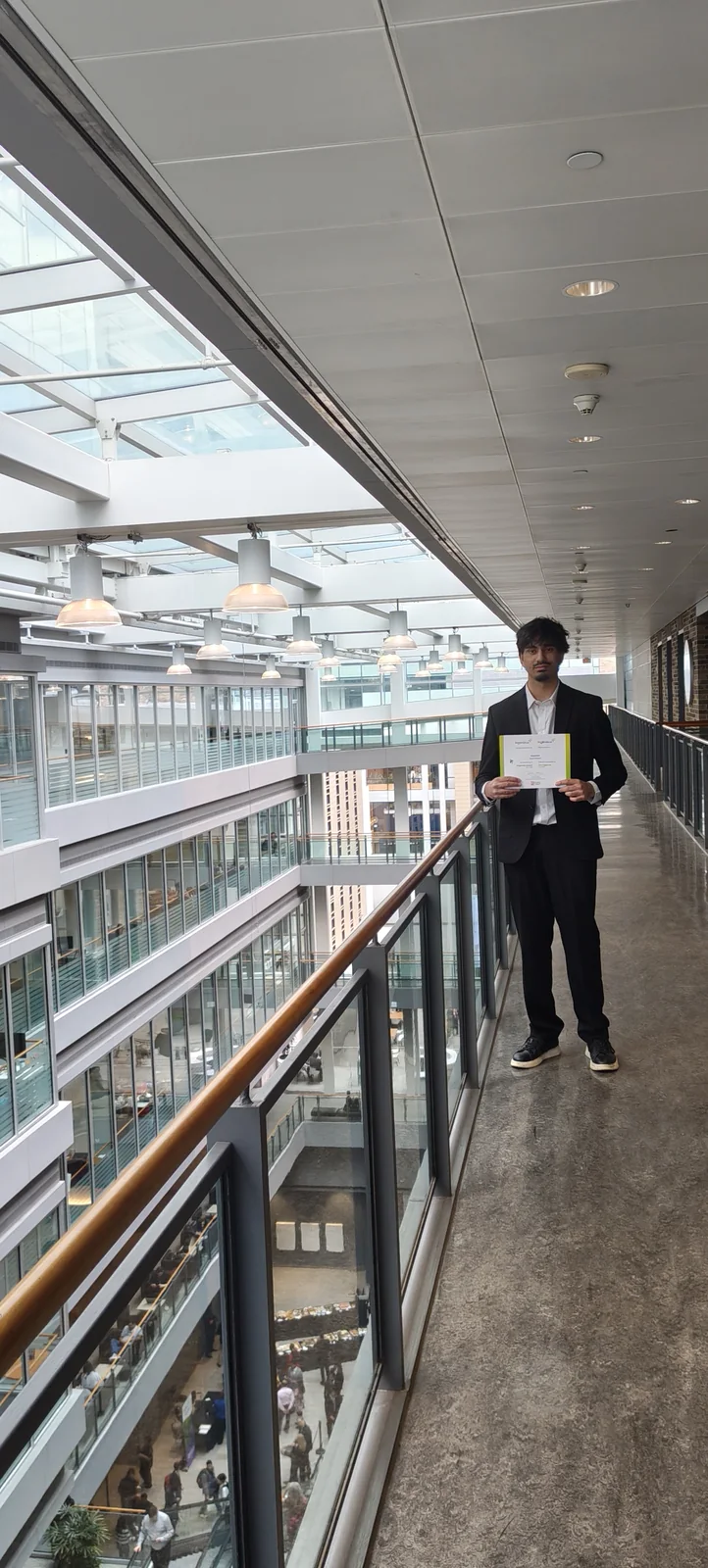
I travelled to Toronto for the Ontario regional awards ceremony, where we met other young innovators working on sustainability, technology, and community-focused ideas.

Our project received a $1,000 award to support further development. It was encouraging to see something that started as an engineering competition project recognized beyond university, and to hear what other people were working on.

Looking Back on First Year

First year of Computer Engineering

Going into first year at the University of Guelph, I wanted to do well academically, get involved in engineering clubs, meet people, and build a foundation for the rest of my degree.

Read entryClose entry

I made an effort to get to know other students, professors, and people working in engineering, rather than spending all my time focused on coursework.

Throughout the year, I got involved with IEEE, attended hackathons and engineering competitions, and continued working on my own hardware and software projects. Those experiences taught me a lot about working with teams and applying technical skills.

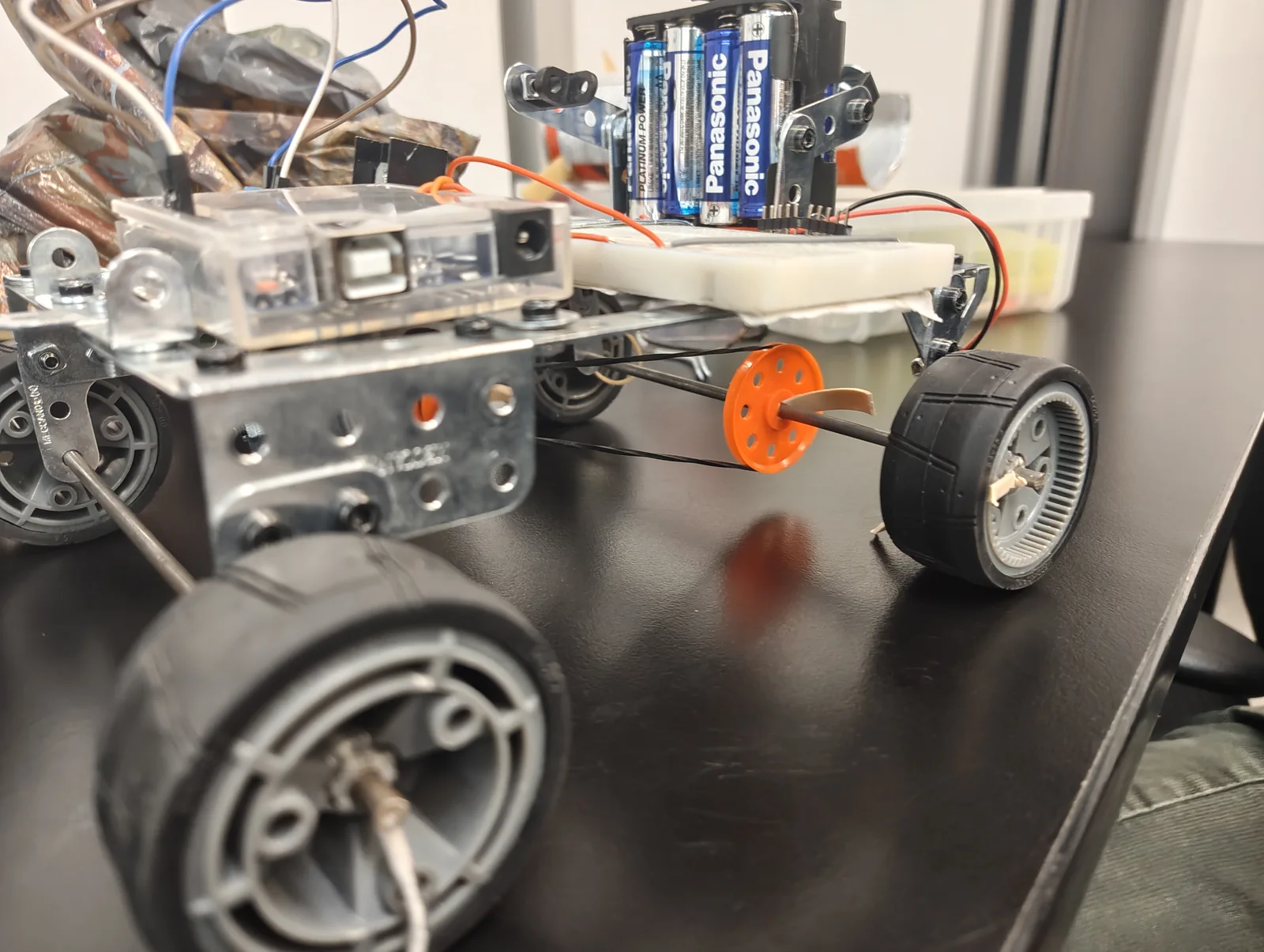
Our engineering design challenge gave me a chance to work on a robot as part of our coursework.

I maintained a GPA in the high 3.0s, which I was happy with. It mattered to me to do well in class while still leaving time to build things and take part in opportunities outside university.

I’ve come to appreciate that balance. Good grades are valuable, and so is having something to show for what you’re learning. I’m satisfied with how first year went and the connections I made along the way.

An Afternoon at GitHub Copilot Dev Days

Microsoft Toronto · GitHub Copilot Dev Days

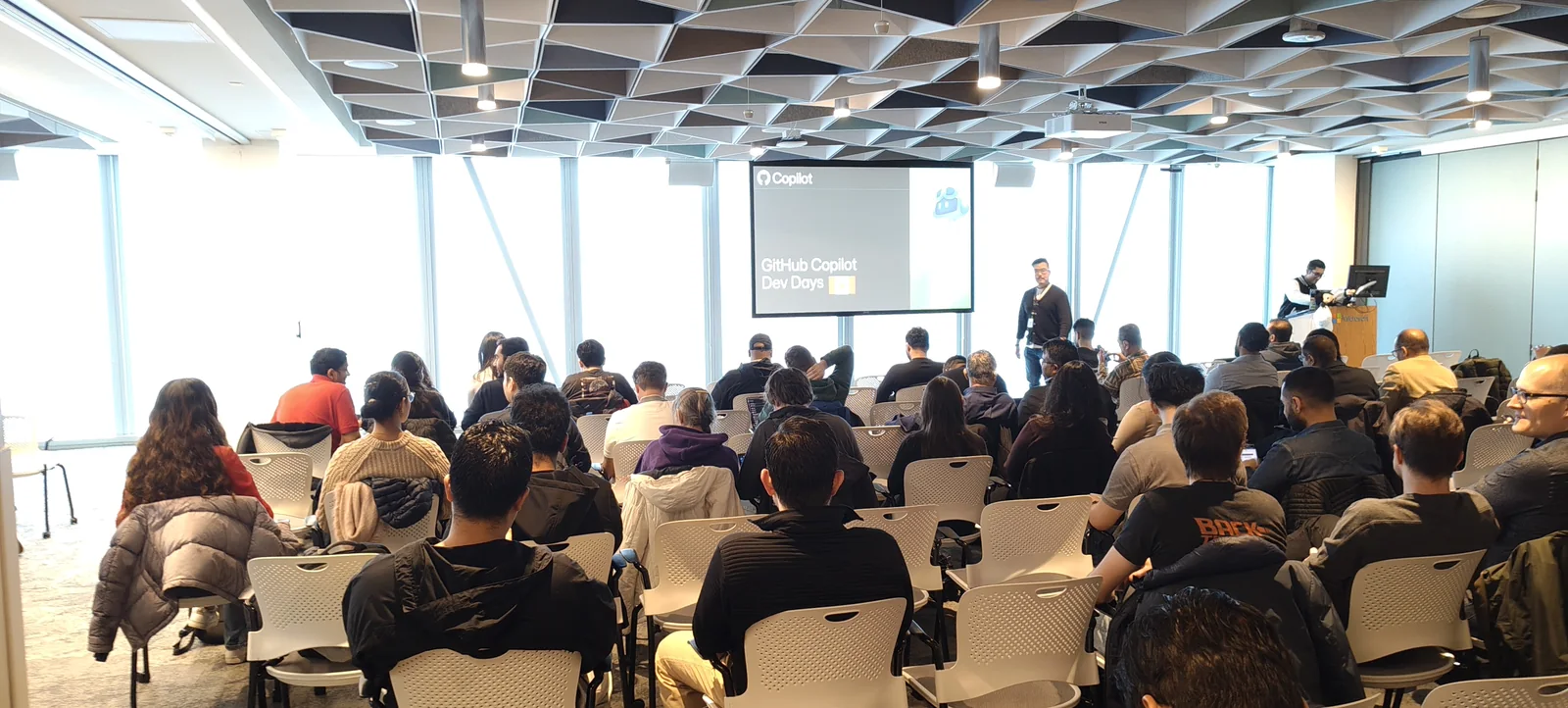
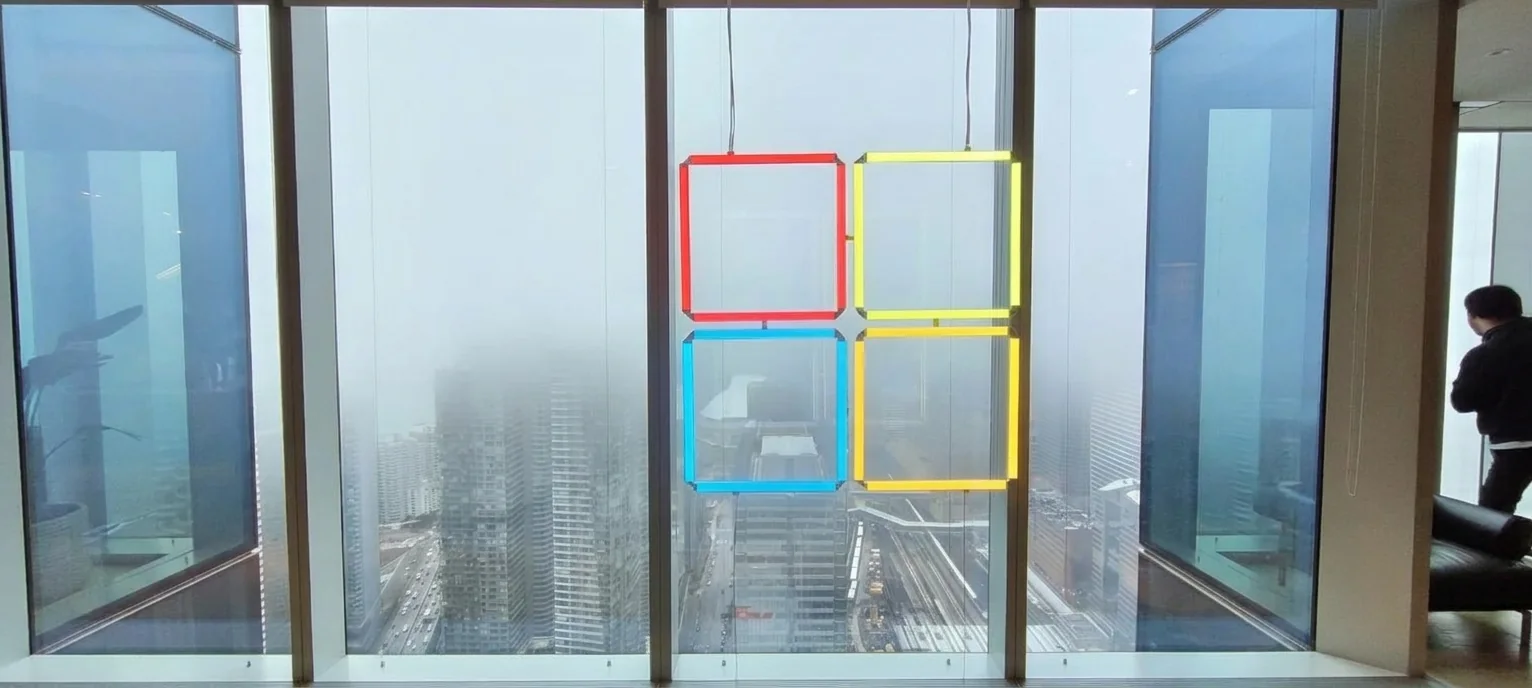
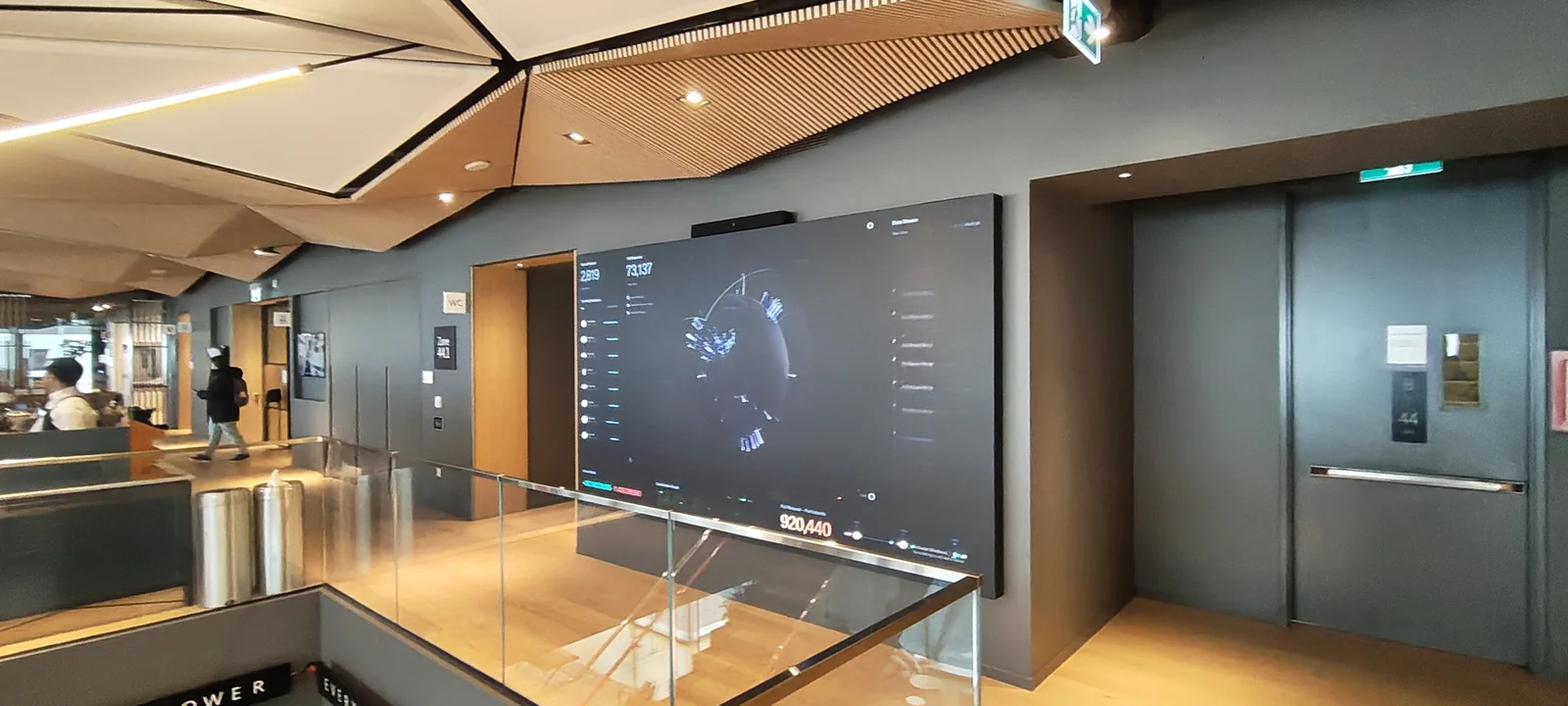
I attended GitHub Copilot Dev Days at Microsoft’s Toronto office. Most attendees were working professionals, and I was one of a small number of students there.

Read entryClose entry

That made it a useful change from university events. Being in the office and hearing how people worked gave me a glimpse of what a regular commute and working life at a larger company might look like.

As a student, it’s easy to feel overwhelmed by the pace of new tools. Seeing them demonstrated in a professional setting helped put things in perspective: what people were actually using, what the tools could do, and where I could start learning.

I learned more about AI agents and orchestration in VS Code, which I later found useful in my work at the stealth startup. It was a small event, but a worthwhile introduction to professional development outside the classroom.

Taking H₂@Home to the Provincial Stage

Ontario Engineering Competition · Carleton University

After winning at Guelph, our team brought H₂@Home to the Ontario Engineering Competition alongside engineering students from across the province.

Read entryClose entry

Presenting at a larger competition pushed us to look more closely at our design decisions, explain our technical approach, and think about how the idea could work beyond a prototype.

It was also a chance to meet other student engineers and see the range of ideas being developed across Ontario.

Building with FPGAs and AI at uOttaHack

uOttaHack · Fourth place in the FPGA category

In January, I travelled to Ottawa for uOttaHack. My team built K.A.R.E.N, a project combining FPGA hardware with an AI-powered interface.

Read entryClose entry

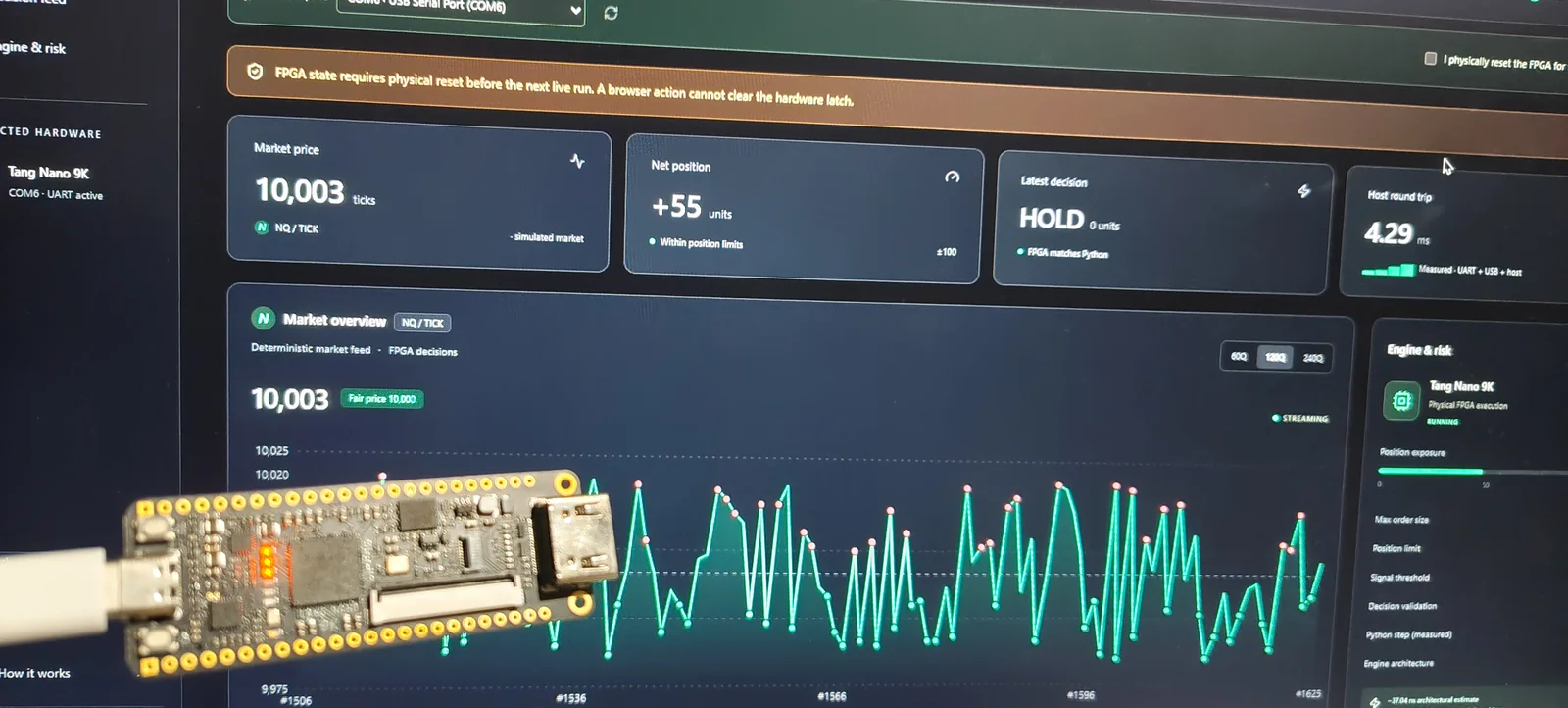
We integrated services including ElevenLabs while exploring how software and programmable hardware could work together. I wanted more practical experience with FPGAs, so connecting one to a larger software system was a worthwhile challenge.

We placed fourth in the FPGA category. Given the time available, I was happy with what we managed to build and demonstrate.

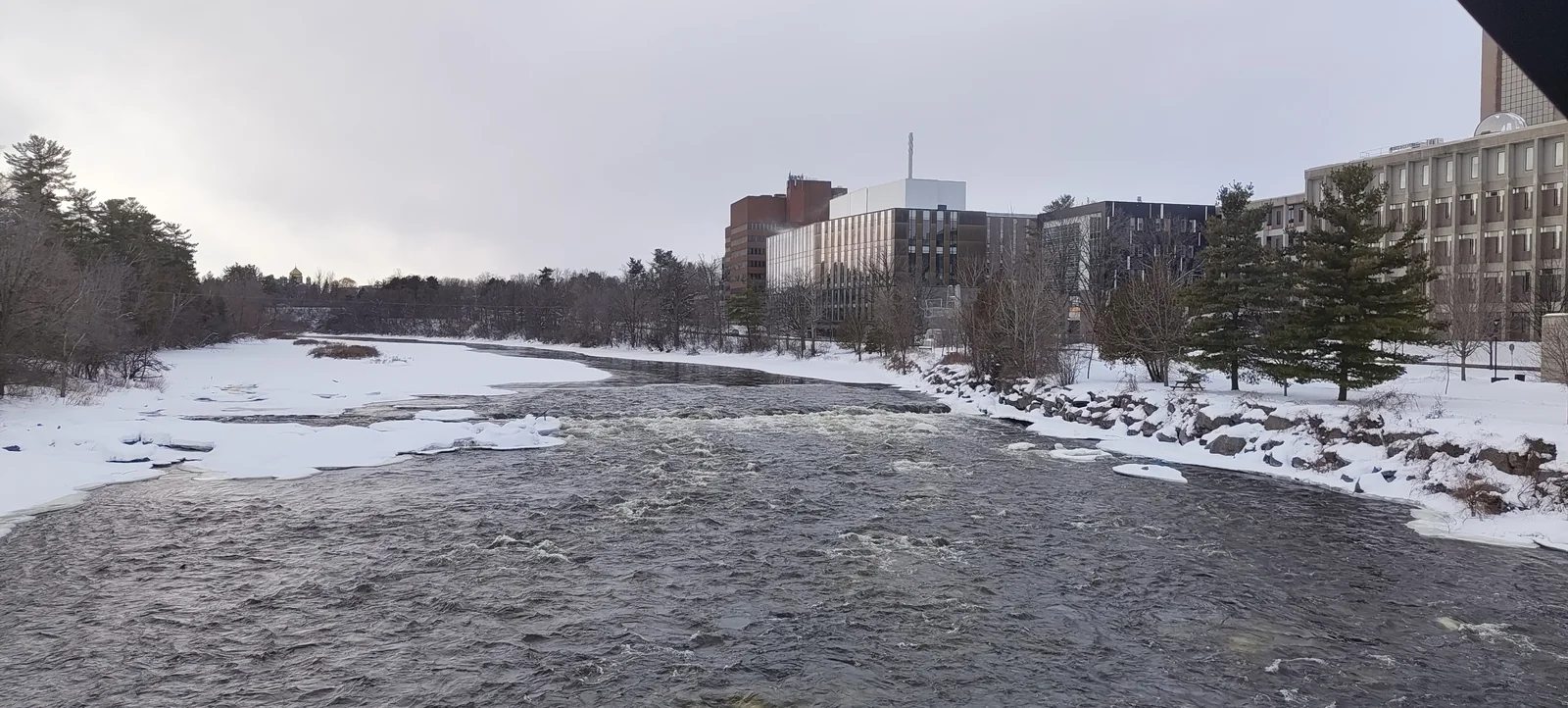
Outside the competition, I enjoyed exploring Ottawa, visiting the University of Ottawa, and meeting students from other universities. It was interesting to compare their engineering communities with Guelph and Waterloo.

2025

Our First Engineering Competition Win

Guelph Engineering Competition · Innovative Design

A few friends and I entered the Guelph Engineering Competition with H₂@Home, a concept for making hydrogen refuelling more accessible through a residential system.

Read entryClose entry

We worked on the hardware, control system, and how to explain the idea to the judges. Bringing those parts together was as much a communication exercise as a technical one.

We took first place in Innovative Design and qualified for the Ontario Engineering Competition. I enjoyed turning an ambitious idea into something we could demonstrate as a team.

My First Hack the North

Hack the North 2025

In September, I attended Hack the North at the University of Waterloo, shortly after starting university.

Read entryClose entry

I wanted to meet students working in software and engineering, especially people from universities and backgrounds different from my own.

After a summer spent mostly working independently on hardware, it was interesting to be surrounded by people building software and experimenting with new technologies over a single weekend.

Getting involved in the engineering and developer community was one of my goals for first year. Hack the North was a good introduction to the university hackathon scene, conveniently close to home.

From Personal Projects to San Francisco

Hack Club Undercity

The journey to San Francisco started in May, right after I finished my IB exams.

Read entryClose entry

With a few months before university, I spent my time working on hardware through Hack Club. I started with smaller builds, then designed a custom mechanical keyboard, a HOTAS flight control system, and another keyboard incorporating wireless technology.

Each project gave me something new to explore: PCB design, microcontrollers, firmware, mechanical design, or wireless communication. The possibility of attending a hardware hackathon in San Francisco added some extra motivation.

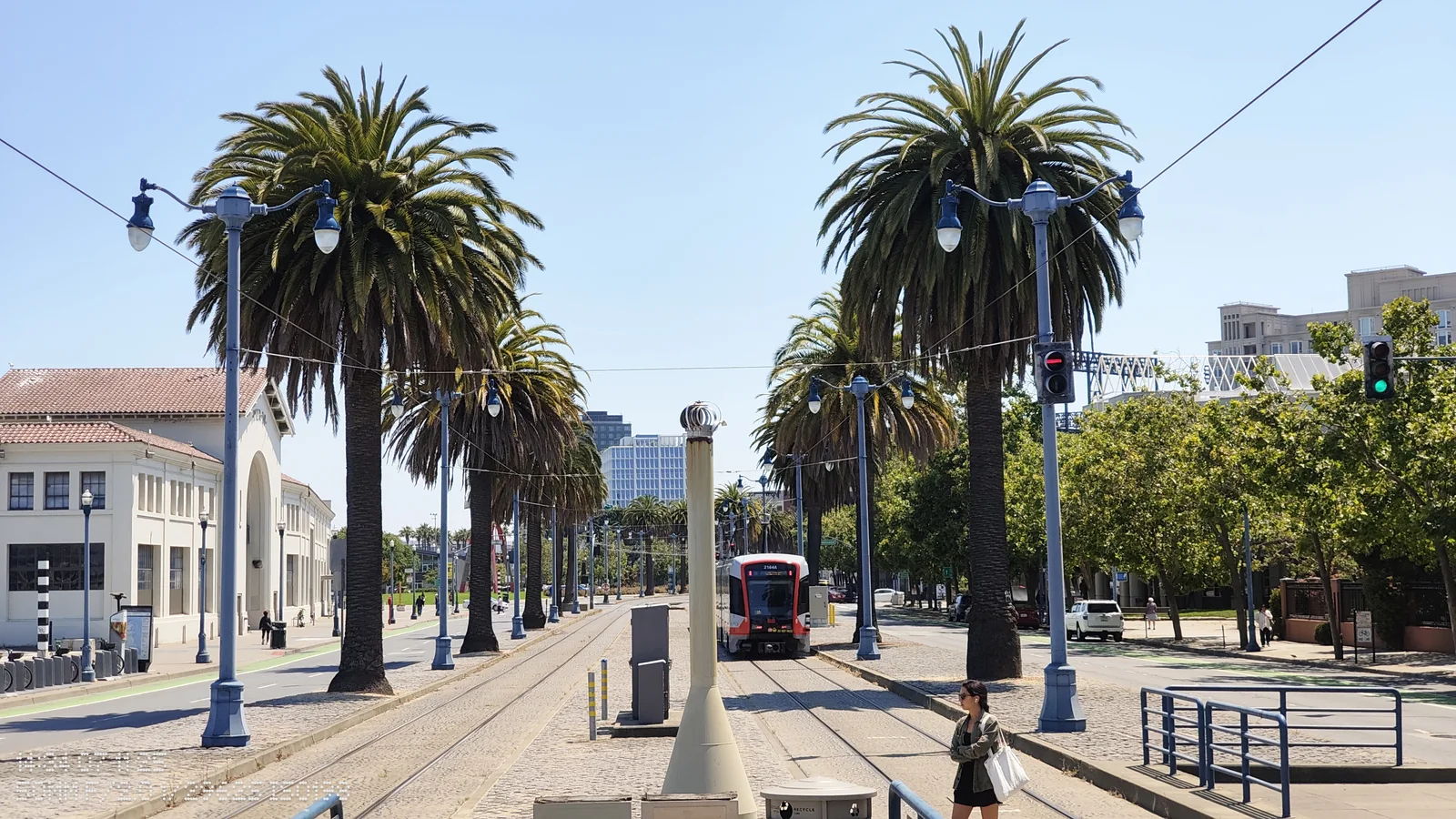
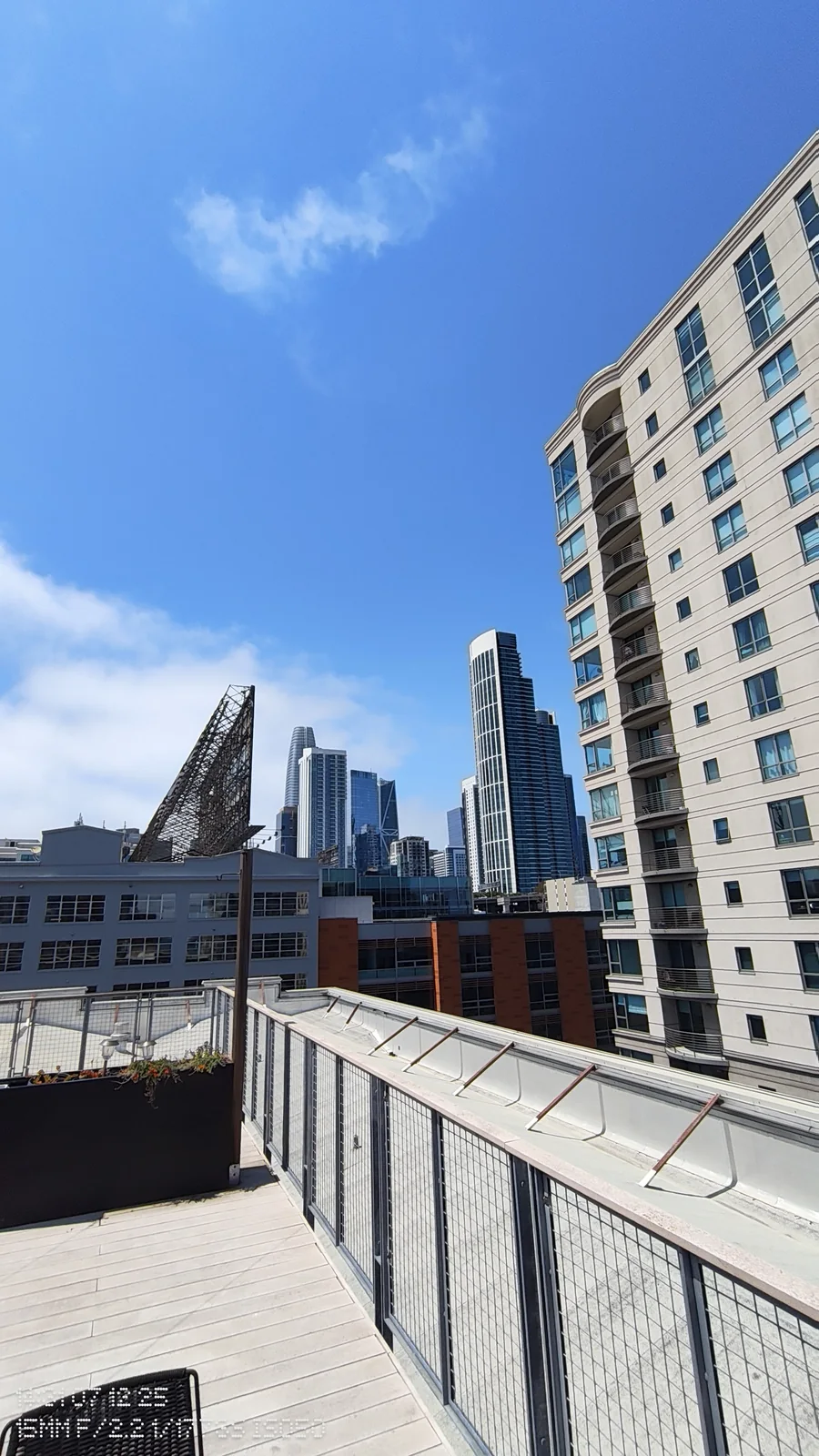
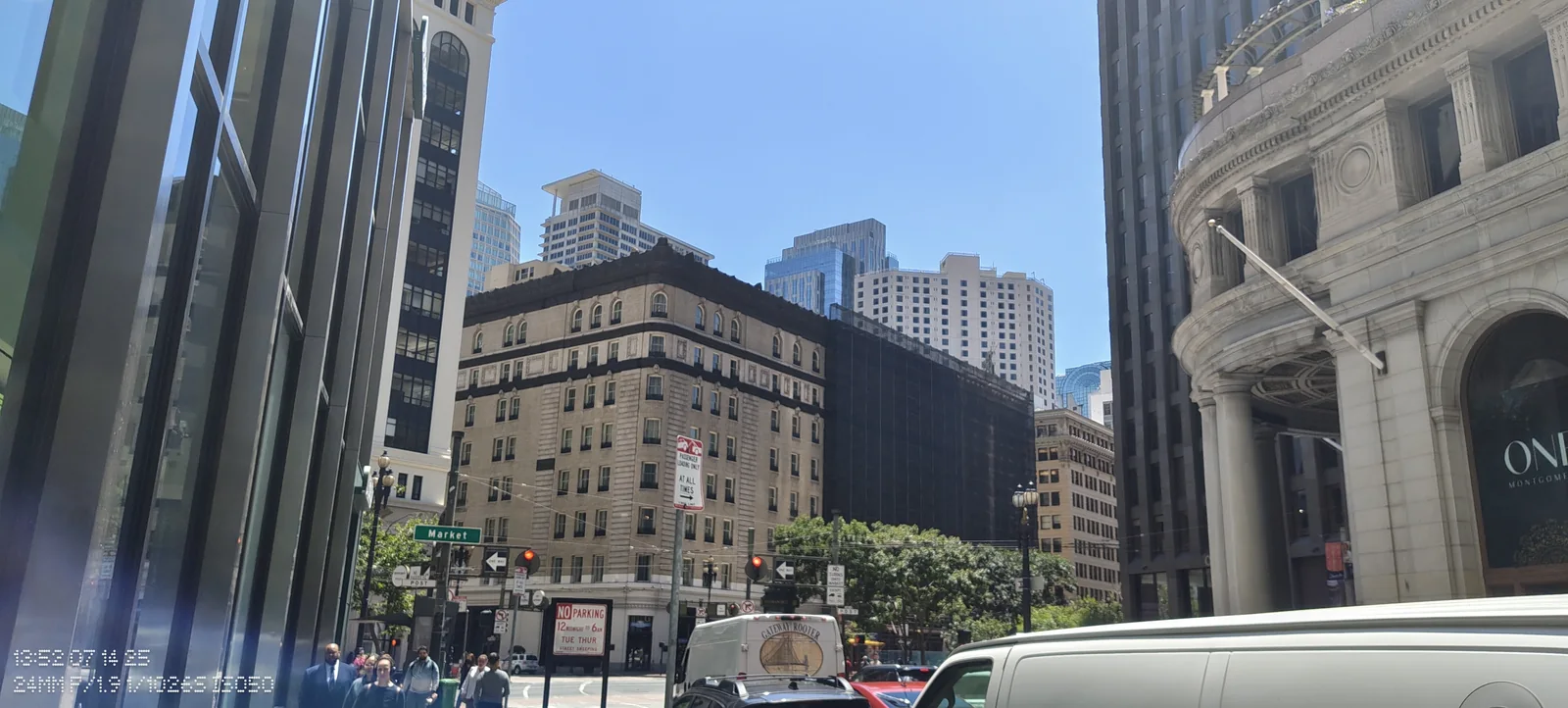
In July, I attended Hack Club’s Undercity event and worked alongside two teammates from North Carolina. I enjoyed collaborating in person with people I otherwise wouldn’t have met, surrounded by others working on their own hardware ideas.

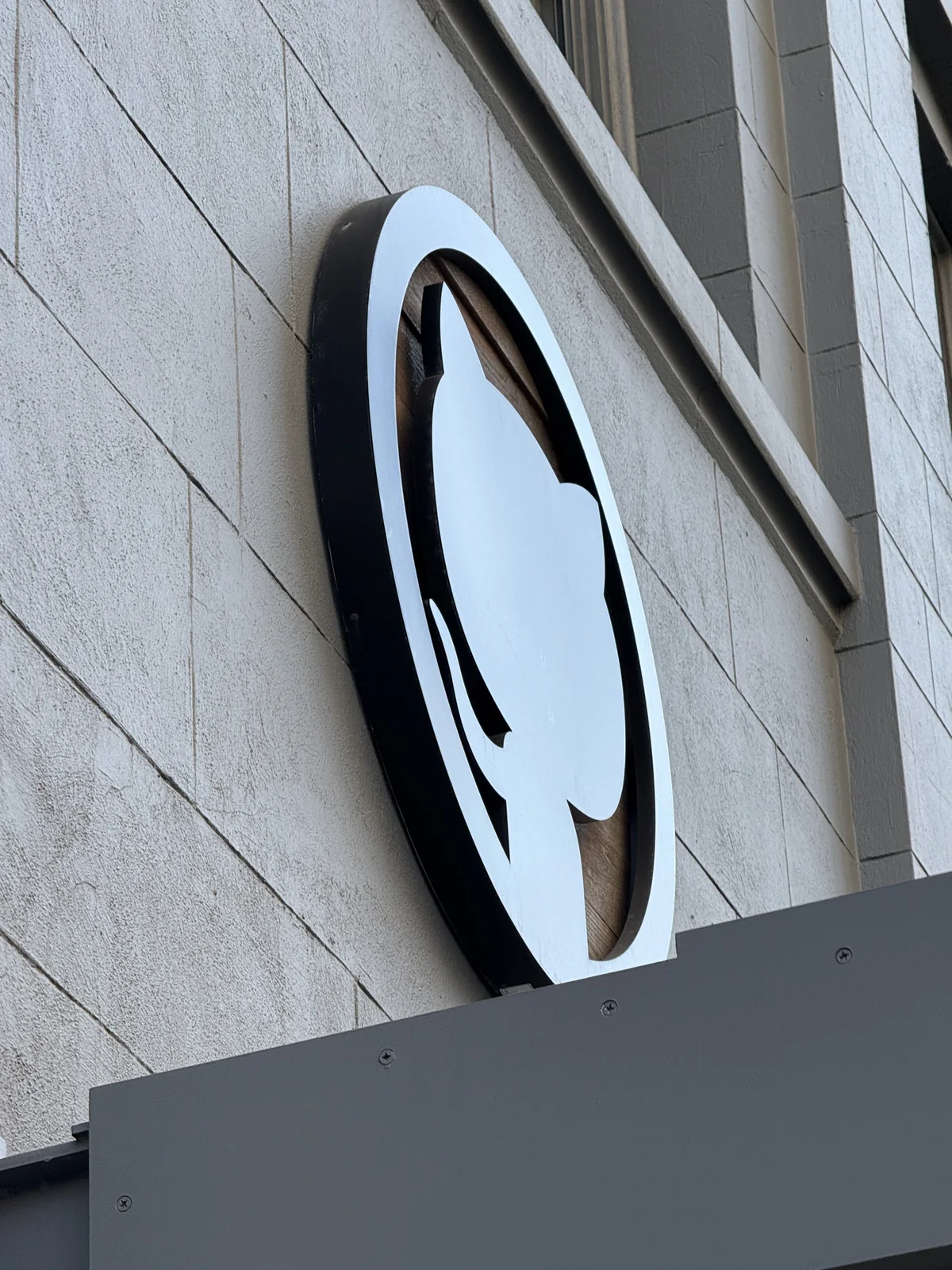
One highlight was visiting GitHub’s headquarters. After spending so much time using GitHub for my projects, it was interesting to see the company and get a glimpse of San Francisco’s engineering culture.

Looking back, those months were productive in a way I really enjoyed. I learned a lot, built things I was interested in, and visited a city I’d wanted to see for a long time.

I’d recommend Hack Club to other young people interested in programming or hardware. The community gave me opportunities to build and meet people with similar interests.